Modern enterprises seeking to protect their cloud assets are constantly in search of the best Software for Cloud Security Posture Management. Essentially, CSPM software continuously monitors cloud infrastructure for misconfigurations, compliance violations, and security vulnerabilities that could expose organizations to costly data breaches. In fact, research indicates that misconfigured cloud settings remain one of the leading causes of security incidents, making CSPM tools more critical than ever.
As organizations continue their rapid migration to cloud infrastructure, the security landscape has transformed dramatically. Indeed, cloud environments now host critical business applications, sensitive customer data, and essential operational systems that require robust protection. However, with this digital transformation comes an unprecedented challenge: maintaining comprehensive security across increasingly complex, multi-cloud architectures.
Nevertheless, selecting the right CSPM solution can be overwhelming given the numerous options available in 2026. Each platform offers unique strengths, pricing models, and capabilities tailored to different organizational needs. Therefore, understanding the nuances between leading solutions becomes essential for making an informed decision.
In this comprehensive guide, we’ll explore the top 13 best software for cloud security posture management available in 2026. Specifically, we’ll examine each solution’s core features, advantages, limitations, pricing structures, and ideal use cases. Whether you’re a security professional evaluating your first CSPM platform or an enterprise architect seeking to upgrade your existing solution, this article will equip you with the knowledge needed to select the optimal cloud security posture management software for your organization.
Top 13 Best Software for Cloud Security Posture Management
1. Wiz

Wiz stands as a leading cloud security platform that consolidates multiple security functions into a single, comprehensive solution. The platform scans your entire cloud environment agentlessly, providing deep visibility into vulnerabilities, misconfigurations, and potential threats. Wiz connects directly to cloud providers through APIs, enabling rapid deployment without the need for agents or sidecars. The platform analyzes billions of relationships between cloud resources to identify toxic combinations of risks that could lead to breaches. Organizations across various industries trust Wiz to secure their AWS, Azure, Google Cloud, and Kubernetes environments with remarkable efficiency. It integrates with major cloud platforms, offering context on workloads, identities, and network configurations.
Features
- Agentless scanning deploys in minutes without infrastructure modifications
- Cloud Security Graph maps all relationships between cloud resources and identities
- Real-time detection identifies misconfigurations as they occur
- Kubernetes security provides comprehensive container and cluster protection
- Identity and entitlement management reveal excessive permissions
- Data security classification discovers and protects sensitive information
Pros
- Swift deployment with immediate value
- Comprehensive risk prioritization reduces alert fatigue
- Strong support for Kubernetes and containerized environments
- Intuitive interface makes complex security accessible
Cons
- Premium pricing may challenge smaller organizations
- Advanced features require a learning curve for full utilization
Pricing
Pricing typically varies according to usage volume, deployment scale, and feature tiers, with additional charges for advanced capabilities or dedicated support options.
2. Sysdig Secure

Sysdig Secure specializes in container and Kubernetes security with robust runtime threat detection capabilities. The platform maintains an always-fresh inventory of cloud resources, enriched with compliance violations, vulnerabilities, and IAM misconfigurations. Combined, this approach minimizes alert fatigue and lets teams focus on what matters most: securing high-impact risks with full cloud context. The solution detects anomalous behavior, compliance violations, and security incidents in real-time across containerized environments. Organizations building modern microservices architectures appreciate Sysdig’s ability to provide security without requiring application modifications. The platform integrates with CI/CD pipelines to shift security left while maintaining comprehensive runtime protection.
Features
- Container image scanning identifies vulnerabilities before deployment
- Runtime threat detection monitors suspicious container behavior
- Kubernetes security validates configurations and network policies
- eBPF-based monitoring provides deep visibility with low overhead
- Cloud infrastructure security monitors underlying cloud resources
- Compliance monitoring supports container-specific requirements
Pros
- Excellent container and Kubernetes security capabilities
- Strong runtime threat detection with low false positives
- eBPF technology provides efficient deep visibility
- Developer-friendly integration with modern toolchains
Cons
- Limited capabilities for traditional VM-based workloads
- CSPM features are less comprehensive than specialized platforms
Pricing
- Commercial plans: Ranges from $25,000-$35,000/annum
3. Orca Security

Orca Security stands as one of the best software solutions for cloud security posture management. They pioneered the SideScanning technology that reads cloud configurations and workload data directly from cloud APIs without requiring agents. The platform provides comprehensive visibility into vulnerabilities, misconfigurations, malware, and compliance issues across AWS, Azure, and Google Cloud. Orca consolidates cloud workload, configuration, identity & entitlement security, container security, sensitive data discovery, and detection & response all in one platform across the entire SDLC. This unified approach allows Orca to understand the full context of risks and recognize when seemingly unrelated issues can create dangerous attack paths. The solution deploys in minutes by connecting read-only to cloud accounts, eliminating the operational overhead of agent deployment and maintenance. Orca can prioritize risks effectively, reducing alert fatigue and ensuring that security teams stay focused on what matters most.
Features
- Agentless SideScanning technology requires no software installation
- Attack path analysis reveals exploitable security gaps
- Vulnerability management prioritizes based on actual risk
- Configuration assessment identifies misconfigurations across services
- Malware detection scans workloads for known threats
Pros
- Fast time to value with immediate visibility
- Intuitive interface simplifies security operations
- Comprehensive risk prioritization reduces noise
- Excellent coverage across major cloud providers
Cons
- Less granular runtime protection than agent-based solutions
- Newer company with less established market presence
Pricing
- Range from $75,000-$150,000 annually for medium enterprises
- Large deployments can exceed $300,000
4. Microsoft Defender for Cloud

Microsoft Defender for Cloud provides native security monitoring and threat protection specifically designed for Azure environments, while also extending capabilities to AWS and Google Cloud. The platform continuously assesses cloud resources against security best practices and compliance standards, providing your team with the tools they need to safeguard your organization’s digital assets. Defender for Cloud integrates deeply with Azure services and Microsoft’s broader security ecosystem, including Microsoft Sentinel and Microsoft 365 Defender. The solution employs behavioral analytics and threat intelligence from Microsoft’s global network to detect sophisticated attacks. Organizations benefit from simplified deployment since Defender for Cloud operates as a native Azure service requiring minimal configuration.
Features
- Provides insights into your cloud configuration’s compliance status
- Offers a consolidated view of your cloud security status, enabling you to make informed decisions and respond swiftly to potential threats.
- The platform integrates seamlessly with Microsoft’s extensive threat intelligence network, ensuring that your defenses are updated in real-time to counteract emerging threats.
- Vulnerability assessment scans virtual machines and containers
- Workflow automation responds to security events automatically
Pros
- Seamless integration with Azure infrastructure
- Native service requires no additional infrastructure
- Cost-effective for organizations heavily invested in Azure
- Unified security management across Microsoft products
Cons
- Limited capabilities compared to specialized CSPM tools
- Best features require Azure focus
Pricing
- Free tier with basic security hygiene
- $15 per server per month for enhanced security features
- $7 per vCore per month for Defender for Containers
5. Prisma Cloud

Prisma Cloud, developed by Palo Alto Networks, addresses the complete spectrum of cloud security challenges, including CSPM, cloud workload protection, and cloud infrastructure entitlement management. The solution provides security teams with unified visibility and control across AWS, Azure, Google Cloud, Oracle Cloud, and Alibaba Cloud. Prisma Cloud leverages machine learning and threat intelligence to detect anomalies and potential security incidents before they escalate. The platform integrates seamlessly with CI/CD pipelines, enabling security to shift left without disrupting development workflows.
Features
- uj
- Prisma Cloud provides real-time visibility into its cloud infrastructure’s security posture.
- Its support for multi-cloud architectures ensures that your team can maintain security consistency across diverse infrastructures, enhancing overall operational efficiency.
- Prisma Cloud integrates threat intelligence, providing up-to-date information on the latest cybersecurity risks.
- Cloud Infrastructure Entitlement Management controls identity and access
- Vulnerability management scans images and hosts for known CVEs
Pros
- Comprehensive platform covering multiple security domains
- Strong integration with existing Palo Alto Networks products
- Extensive compliance framework coverage
Cons
- A complex platform requires significant training investment
- It can be overwhelming for smaller security teams
Pricing
Prisma Cloud uses a credits-based pricing model where different features consume varying credit amounts
6. CloudGuard
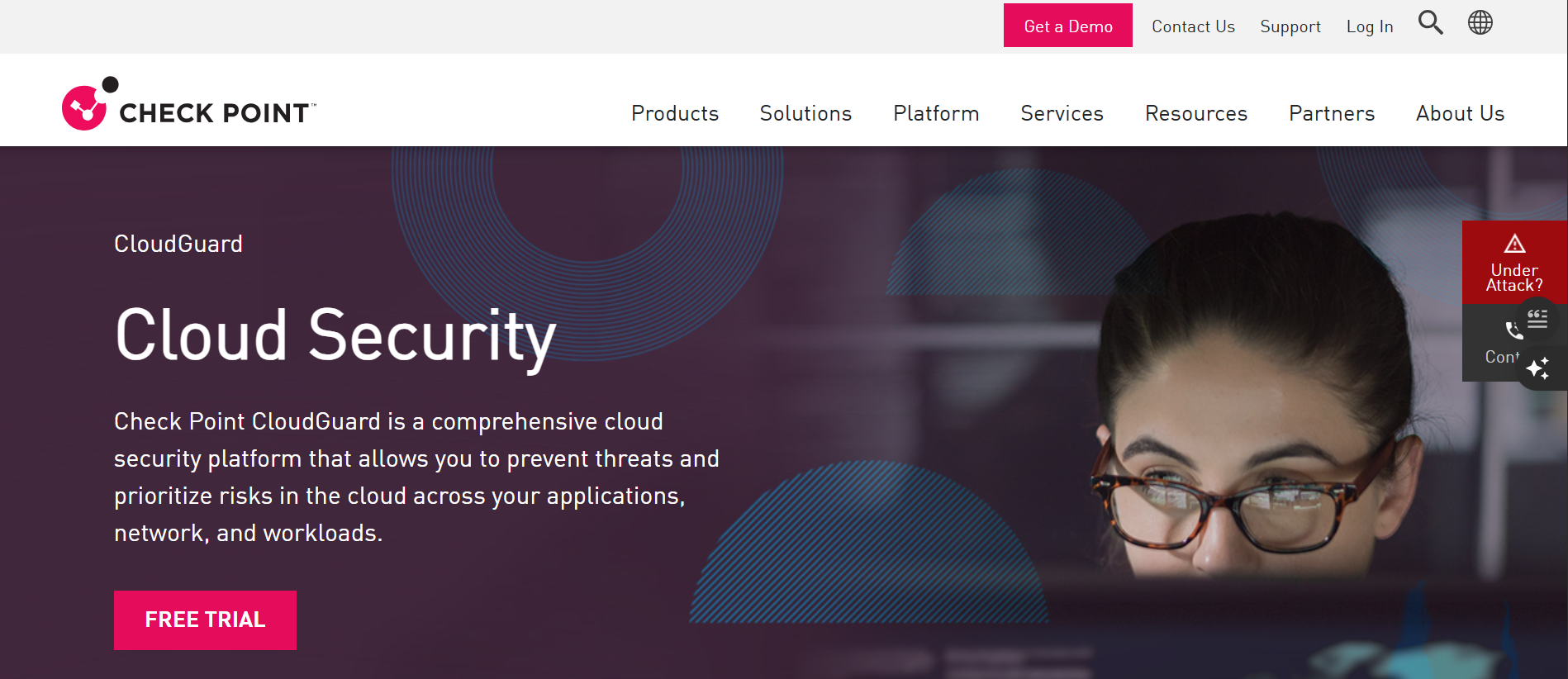
CloudGuard by Check Point delivers unified cloud native security and posture management across public cloud environments. The platform combines CSPM with cloud workload protection, network security, and threat intelligence to provide comprehensive defense. CloudGuard defends and monitors cloud environments from different threats and vulnerabilities. It automatically ensures users conform to regulatory requirements and security best practices and updates users on security and compliance posture.
Features
- The solution integrates seamlessly with threat feeds, continuously monitoring your cloud environment for emerging risks
- CloudGuard’s automated assessment capabilities empower you to thoroughly evaluate your cloud security posture.
- CloudGuard simplifies the enforcement of security policies and ensures compliance with industry regulations
- Unified security policy management across all cloud platforms
- Serverless security protects functions and API gateways
Pros
- Unified security across hybrid and multi-cloud environments
- Strong automation capabilities reduce manual effort
- Comprehensive threat prevention leveraging Check Point intelligence
- Flexible deployment options, including SaaS and self-hosted
Cons
- The interface could be more modern and intuitive
- Some features overlap, causing potential confusion
Pricing
- Ranges from $15,000-$25,000 for small to medium environments
7. Aqua Security

Aqua Security specializes in cloud security posture management. The platform provides CSPM functionality while focusing intensely on securing the software supply chain and runtime environments. Aqua scans container images for vulnerabilities and malware throughout the development lifecycle, preventing risky deployments before they reach production. The solution offers runtime protection that monitors container behavior and automatically blocks suspicious activities.
Organizations building cloud native applications benefit from Aqua’s deep understanding of container orchestration platforms and modern development practices.
Features
- Image scanning identifies vulnerabilities before deployment
- Software supply chain security validates image provenance
- Runtime protection monitors and blocks malicious container behavior
- Kubernetes security validates configurations and network policies
- Serverless security protects functions across cloud providers
- VM security extends protection beyond containers
Pros
- Comprehensive software supply chain protection
- Excellent Kubernetes native security features
- Strong runtime protection with low false positive rates
- Developer-friendly integration with modern toolchains
Cons
- Less comprehensive for traditional VM-based workloads
- CSPM features are not as extensive as specialized platforms
- Pricing can escalate quickly with container proliferation
Pricing
- Ranges from $20,000-$30,000 annually
- Advanced features range from $75,000 to $250,000+ annually
8. Tenable Cloud Security

Tenable Cloud Security brings vulnerability management expertise to cloud infrastructure security with a focus on infrastructure as code (IaC) security. The platform scans Terraform, CloudFormation, Kubernetes manifests, and other IaC templates to identify security issues before infrastructure deployment. Tenable built the solution to shift cloud security left by embedding checks into development workflows while maintaining runtime monitoring for deployed resources. The platform uses policy-as-code to codify security requirements and automatically validate infrastructure against these policies. Organizations leveraging IaC extensively benefit from Tenable’s ability to prevent misconfigurations at the source rather than detecting them post-deployment.
Features
- Infrastructure as Code scanning validates templates before deployment
- Policy as Code enables customizable security requirements
- Runtime cloud security monitors the deployed infrastructure continuously
- Compliance automation supports multiple regulatory standards
- Drift detection identifies unauthorized infrastructure changes
Pros
- Excellent IaC scanning capabilities
- Developer-friendly with minimal workflow disruption
- Policy-as-code approach provides flexibility
- Good integration with the HashiCorp ecosystem
Cons
- Smaller feature set compared to comprehensive CSPM platforms
- Less extensive runtime protection capabilities
Pricing
- Small deployments: $15,000-$25,000 annually
- Comprehensive implementations: Range from $40,000-$100,000 annually
9. Qualys CloudView
10. Lacework

Lacework delivers cloud security through behavioral anomaly detection powered by machine learning and artificial intelligence. The platform builds baseline models of normal behavior for cloud environments and alerts when deviations indicate potential security issues. Lacework provides CSPM capabilities while emphasizing threat detection and investigation across infrastructure, applications, and user activities. The solution automatically collects and analyzes vast amounts of cloud telemetry data without requiring extensive manual rule creation. Organizations benefit from reduced false positives as Lacework learns their unique environment characteristics. The platform supports AWS, Azure, Google Cloud, and Kubernetes with deep visibility into runtime activities.
Features
- Behavioral anomaly detection identifies threats using machine learning
- Automated baseline creation adapts to environment characteristics
- Cloud security posture management detects misconfigurations
- Container vulnerability management scans images and registries
- Compliance monitoring validates adherence to security standards
Pros
- Advanced anomaly detection reduces false positives
- Automated learning minimizes manual configuration
- Strong threat detection and investigation capabilities
- Comprehensive data collection provides rich context
Cons
- Can generate alerts requiring security expertise to interpret
- Higher resource consumption for data processing
Pricing
- For small cloud environments: Range from $40,000-$50,000 annually
- Medium to large deployments: Range from $100,000-$300,000+ annually
11. Zscaler Posture Control
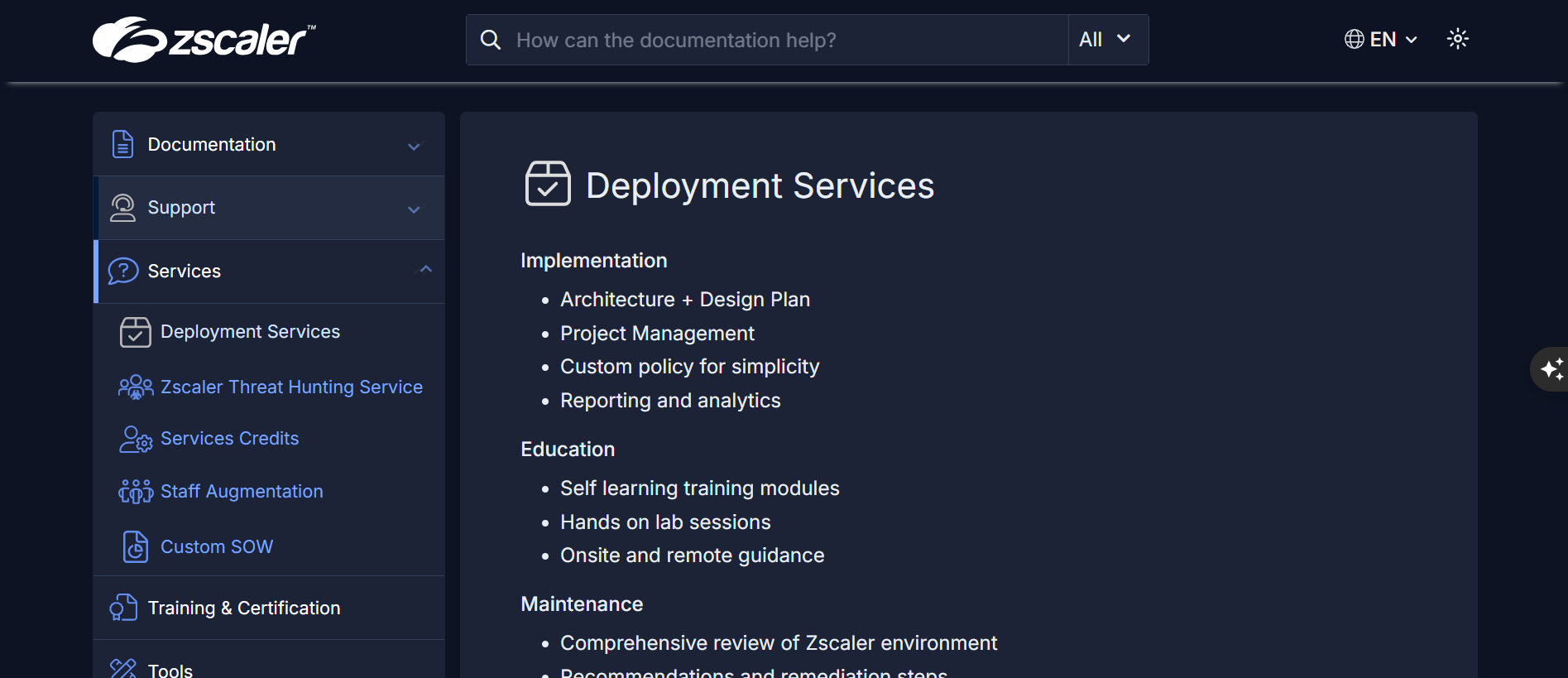
Zscaler Posture Control provides one of the best software solutions for cloud security posture management. The solution continuously monitors cloud infrastructure for security risks, detects misconfigurations and potential threats, and provides automated remediation options. Zscaler designed Posture Control to complement its cloud security offerings by ensuring the underlying infrastructure supporting applications maintains proper security configurations. The platform provides automated discovery of cloud assets and evaluates them against security best practices and compliance requirements. Additionally, it is integrated within Zscaler’s broader zero-trust security platform.
Features
- Automated asset discovery maintains a comprehensive cloud inventory
- Configuration monitoring detects security misconfigurations
- Compliance assessment validates regulatory requirement adherence
- Risk prioritization focuses remediation efforts effectively
- Integration with the Zscaler platform provides unified security operations
- Multi-cloud support monitors major cloud providers
Pros
- Seamless integration with the Zscaler security platform
- Zero-trust approach aligns with modern security architectures
- Good coverage of common misconfigurations
- Reliable performance and uptime
- Growing feature set with regular updates
Cons
- Less comprehensive than dedicated CSPM platforms
- Best value requires broader Zscaler platform adoption
Pricing
The software offers tiered plans that vary depending on factors such as scale, functionalities included, and level of support.
12. Trend Micro Cloud One
Trend Micro Cloud One delivers a comprehensive security services platform protecting cloud native applications throughout their lifecycle. The platform combines multiple security modules including workload security, container security, file storage security, network security, and conformity (CSPM). It monitors the entire cloud environment in real time and provides alerts for any misconfiguration. One Conformity helps organizations to improve their cloud security and compliance posture. It also gives a view of risk status and resolves violations with step-by-step guides or auto-remediation.
The solution leverages Trend Micro’s extensive threat research and global threat intelligence network to protect against emerging threats. Organizations benefit from flexible deployment options with each module available independently or as a complete integrated platform.
Features
- Conformity module provides comprehensive CSPM capabilities
- Workload security protects servers and VMs with intrusion prevention
- Container security scans images and provides runtime protection
- File storage security scans cloud object storage for malware
- Your team can implement corrective actions directly from the platform
- Cloud One Conformity automates the process of checking your cloud infrastructure against industry best practices and regulatory standards
Pros
- Comprehensive platform covering multiple security domains
- A modular approach allows incremental adoption
- Strong threat intelligence from a global research network
- Good container and Kubernetes security capabilities
- Flexible deployment supporting various cloud architectures
Cons
- The complexity of the full platform can be overwhelming
- Multiple modules increase the total cost of ownership
Pricing
- The Conformity (CSPM) module typically starts around $15,000-$25,000 annually
- Comprehensive enterprise deployments can exceed $300,000 depending on scale and requirements.
13. Rapid7 Insight Cloud Security

Rapid7 InsightCloudSec provides comprehensive cloud security posture management with strong automation capabilities for remediation. The platform continuously monitors cloud infrastructure for misconfigurations, compliance violations, and security risks across AWS, Azure, Google Cloud, and Kubernetes. InsightCloudSec emphasizes governance automation through its Bot framework that can automatically fix common security issues without manual intervention. The solution provides visibility into cloud resource relationships, helping security teams understand how misconfigurations could enable attack paths. Rapid7 integrates InsightCloudSec with its broader security operations platform, enabling unified incident response across all security domains.
Features
- Continuous compliance monitoring validates security standards
- Automated remediation bots fix common misconfigurations
- Cloud governance enables custom policy creation and enforcement
- Asset inventory discovers and tracks all cloud resources
- Risk assessment prioritizes issues based on exploitability
Pros
- Strong automation reduces manual remediation effort
- Flexible policy framework adapts to organizational needs
- Good balance of detection and automated response
- Integration with the broader Rapid7 platform
- Reasonable pricing compared to premium alternatives
Cons
- Interface usability could be improved
- Learning curve for Bot framework configuration
- Less comprehensive than some specialized solutions
Pricing
The starting cost for the InsightCloudSec cloud-native security platform is provided upon request.