In Nebraska, small businesses with about 2–50 employees work in a competitive health-insurance market, and many owners now treat quality medical coverage as a core part of attracting and keeping talent. They also use it to control expenses and meet Affordable Care Act (ACA) obligations. Every small business plan in the state must include all ACA essential health benefits, which cover hospital care, preventive visits, prescription medication, mental health services, and maternity care. Employers still get to choose the network style, benefit design, and cost setup that fits their goals. Furthermore, the options available in 2025 allow businesses to combine traditional group insurance with newer alternatives that simplify how they offer meaningful coverage. The list below outlines 13 of the best medical insurance for small businesses in Nebraska.

1. Blue Cross Blue Shield 

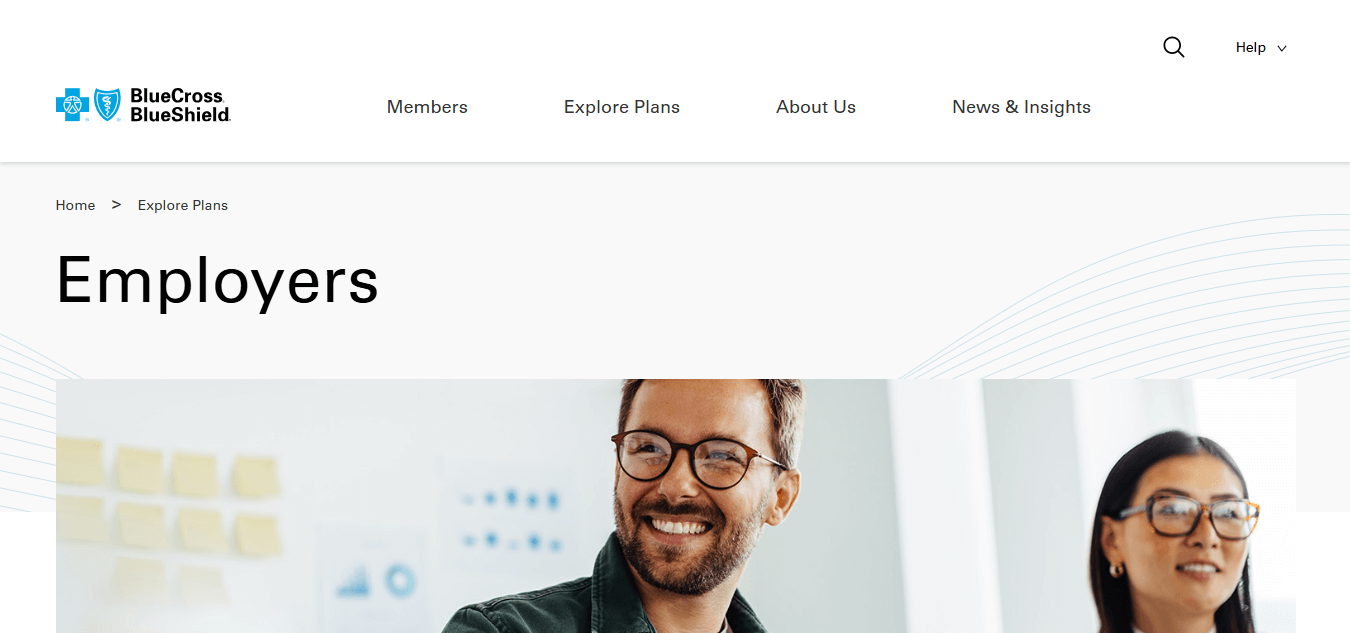
Blue Cross Blue Shield of Nebraska (BCBSNE) provides health insurance to small businesses across the state, serving companies with 2–50 employees. The company offers a wide variety of plans that cover essential medical services, preventive care, and telehealth options. With its strong local presence and nationwide network, BCBSNE ensures employees can access care both within Nebraska and across the country. Small businesses can find options that suit their budget while offering reliable coverage for their team.

Features

  • Nationwide provider network, giving employees access to care anywhere in the U.S.
  • Variety of plan options, including ACA-compliant and level-funded plans
  • Telehealth services for convenient, virtual care
  • Employer group plans designed specifically for small businesses

Pros

  • Largest provider network in Nebraska with extensive local connections
  • Established reputation and financial stability offer peace of mind
  • Multiple network options allow businesses to manage costs while maintaining access
  • Wellness programs and resources support employees’ overall health

Cons

  • Premiums can be higher than some competitors

Small businesses in Nebraska often choose BCBSNE for its strong local network, trusted reputation, and comprehensive member support. The plan variety supports different business needs, from affordable ACA plans to full employer group insurance, giving employers flexibility while keeping employees covered.

2. Medica
Medica’s plans offer medical coverage for staff and their dependents while giving businesses access to Medica’s provider network and administrative support. Medica has longstanding experience across several Midwestern states, and it also participates in national networks that help employees reach a wider pool of healthcare providers. Moreover, its partnerships with major health systems strengthen coordination of care and improve the overall member experience.

Features

  • ACA-compliant group coverage that meets federal standards
  • Multiple plan designs, including PPO and HMO-style options
  • Employer administration tools that support enrollment and ongoing member management

Pros

  • Strong coordination of care through partnered health systems

  • Ability to visit specialists without needing referrals

  • Competitive pricing while maintaining dependable coverage

Cons

  • Some plans rely on specific health system partnerships, which may limit provider choice

Why Choose Medica
Medica works well for small businesses that want coordinated, high-quality care and prefer plans that do not require referrals. In addition, employers can pick from different plan designs, allowing them to control costs while still offering benefits that matter to their teams.

3. UnitedHealthcare
UnitedHealthcare offers small business health insurance plans that help employers provide solid medical benefits while keeping expenses manageable. The company is one of the largest health insurers in the country and serves millions of members nationwide. Their plans support businesses with 2–50 employees, and in some states, they also cover groups of up to 100 employees. Moreover, the plans include medical coverage choices, wellness programs, digital tools, and dependable customer support that help employers meet staff needs more confidently.

Features

  • Large provider network: Employees can access one of the biggest national provider networks, which helps them find doctors, specialists, and hospitals across the country.
  • Flexible plan choices: Employers can select from multiple benefit levels, cost structures, and coverage designs that fit their workforce needs.
  • Supplemental benefits and bundling: Employers can combine medical plans with dental, vision, life, and disability coverage, and this often strengthens the overall benefits package while helping manage expenses.

Pros

  • Wide national network that supports employees in different locations
  • Multiple plan structures that fit different business sizes
  • Digital tools that help members manage care more easily
  • Wellness programs that encourage healthier habits

Cons

  • Customer service experiences may differ across regions
  • Some plans may involve higher costs depending on location and benefit choices

Why Choose UnitedHealthcare
UnitedHealthcare works well for businesses that employ people in several states or have staff who travel often. Their offerings, including programs like the Vital Medication Program and the Surest plan, show a continued effort to control costs while still improving the member experience. Additionally, employers who want dependable support and broad provider access often find UHC a practical choice.

4. Cigna Healthcare
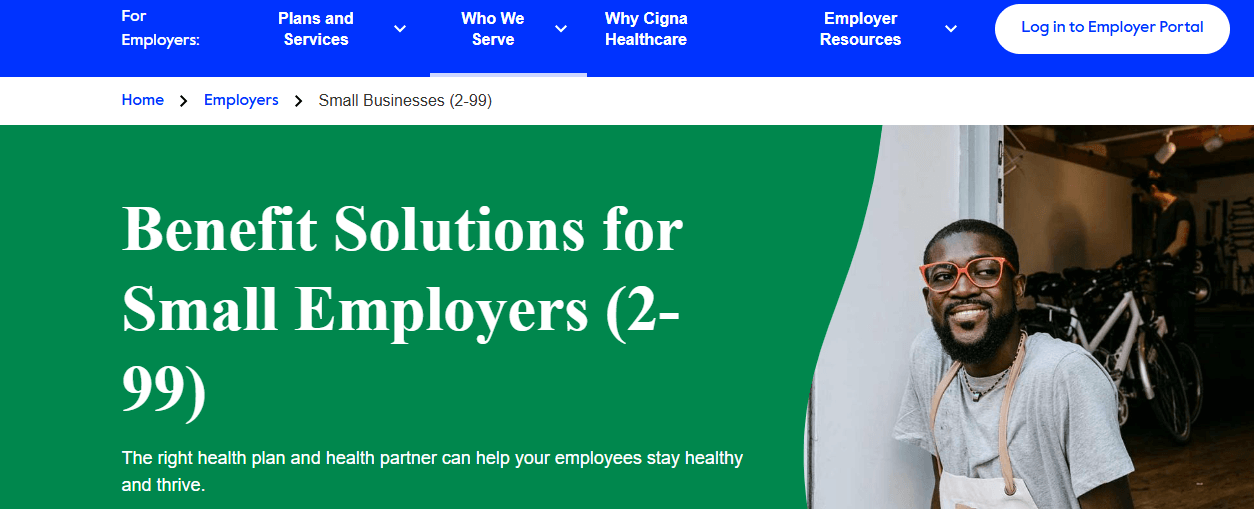
Cigna Healthcare provides small businesses with health insurance plans that combine medical, pharmacy, and behavioral health services in one coordinated system. The company focuses on employee well-being and pairs its coverage with helpful digital tools and continuous customer support. Moreover, employers gain access to a wide provider network, which helps workers receive care wherever they are in the country.

Features

  • Large nationwide network that gives employees access to doctors and hospitals across the U.S.
  • 24/7 customer service with real-time support whenever members need help
  • Integrated behavioral health services that include mental health clinicians and digital resources
  • Telehealth options for urgent care, primary care visits, and therapy sessions
  • Pharmacy benefits designed to simplify prescription access and improve medication management

Pros

  • Excellent customer service with round-the-clock availability
  • Strong connection between medical, mental health, and pharmacy benefits
  • Wide telehealth options that increase access to care
  • Good mix of provider access and overall plan value
  • Focus on mental health, which increasingly matters to employees

Cons

  • Plans may cost more than very basic insurance options
  • Large networks and extensive benefits can contribute to higher premiums

Why Choose Cigna
Small businesses often choose Cigna when they want dependable support at any hour and meaningful mental health resources for their teams. Furthermore, the combined structure of medical, behavioral, and pharmacy services helps employees receive care in a way that feels complete and coordinated.

5. Aetna

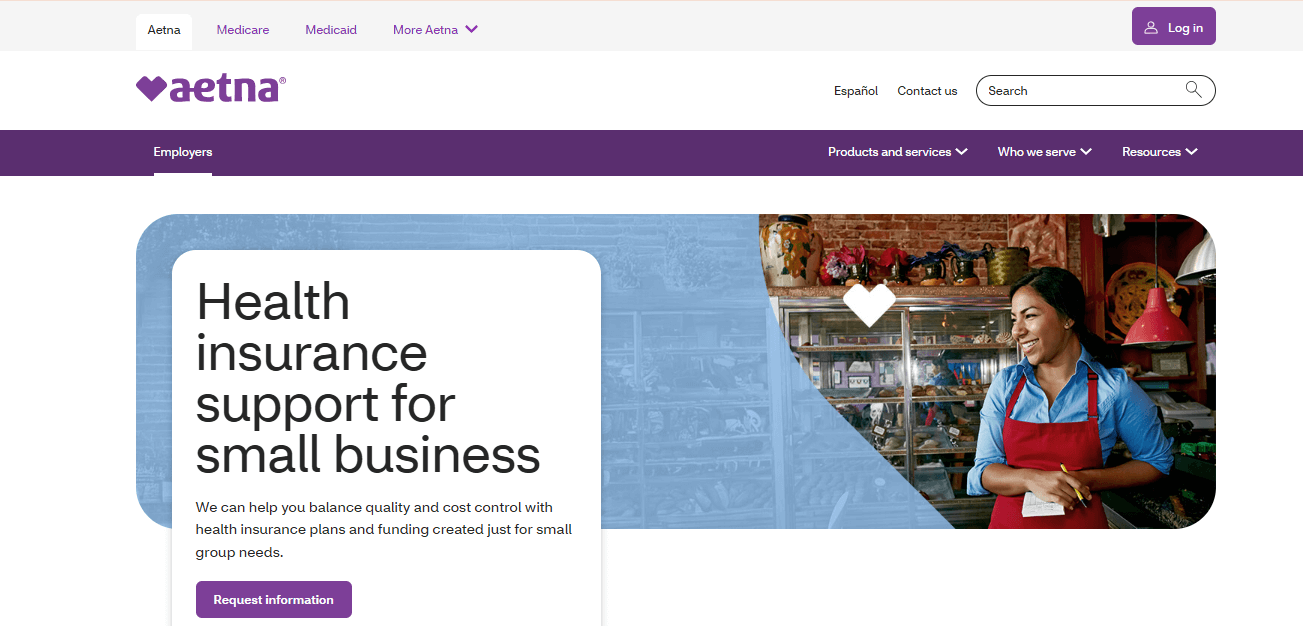
Aetna, a member of the CVS Health family, offers health insurance plans for small businesses with up to 100 employees. The company provides funding options and administrative support that help employers maintain quality benefits while keeping expenses in check. Its plans focus on flexibility, cost control, and employee wellness, and the connection with CVS Health strengthens access to convenient care and pharmacy services. Moreover, Aetna places strong importance on preventive health, which helps employees stay healthier throughout the year.

Features

  • CVS Health connection: Employees get convenient access to CVS pharmacy services
  • Preventive care focus: Programs encourage early care to support healthier outcomes
  • Multiple plan levels: Options include gold, silver, and bronze tiers
  • Network choices: Employers pick between wider or more limited provider networks
  • Wellness support: Tools and programs help employees manage their health

Pros

  • Strong preventive care focus helps keep long-term medical costs down
  • CVS Health access increases convenience for prescriptions and routine visits
  • Various plan structures make it easier to meet different employee needs

Cons

  • Some customers report concerns about service and claims handling
  • Certain plan types may not be available in all areas

Why Choose Aetna
Aetna suits businesses that want to promote wellness and encourage preventive healthcare. Its connection with CVS Health adds practical advantages, since employees can visit MinuteClinic locations or pick up medications without disrupting their workday. This combination supports healthier teams and can reduce unnecessary downtime.

6. Humana

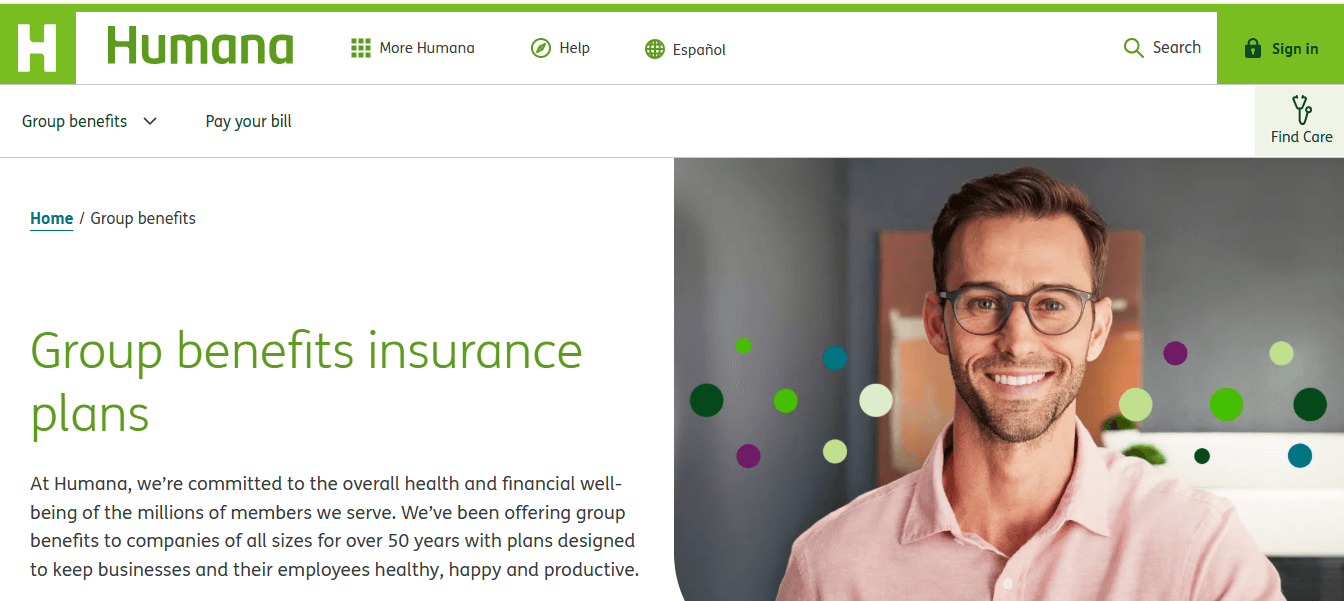
Humana offers small business health insurance plans with competitive pricing and comprehensive benefits that support employees’ physical and financial well-being. Its group options include medical, dental, vision, life, and disability coverage, and they work together to strengthen an employer’s overall benefits package. Many Nebraska businesses appreciate that these plans combine affordability with broad access to healthcare providers.

Features

  • Competitive pricing with options that help businesses manage costs
  • Medical, dental, vision, life, and disability insurance bundled under one provider
  • Wellness programs that encourage healthier habits among employees
  • Large provider network serving Nebraska and other states
  • Digital tools, including a member portal and mobile app for managing claims and benefits

Pros

  • Strong preventative care benefits that support long-term employee health
  • Bundling choices for medical, dental, and vision coverage
  • Wide network access that suits companies with employees across different locations

Cons

  • Regulatory challenges have occurred in certain states
  • Customer service experiences may differ depending on location or plan

Why Choose Humana
Humana works well for small businesses that want competitive pricing along with dependable benefits. Additionally, the option to combine medical, dental, and vision coverage helps simplify administration while creating opportunities to cut overall costs.

7. Ambetter

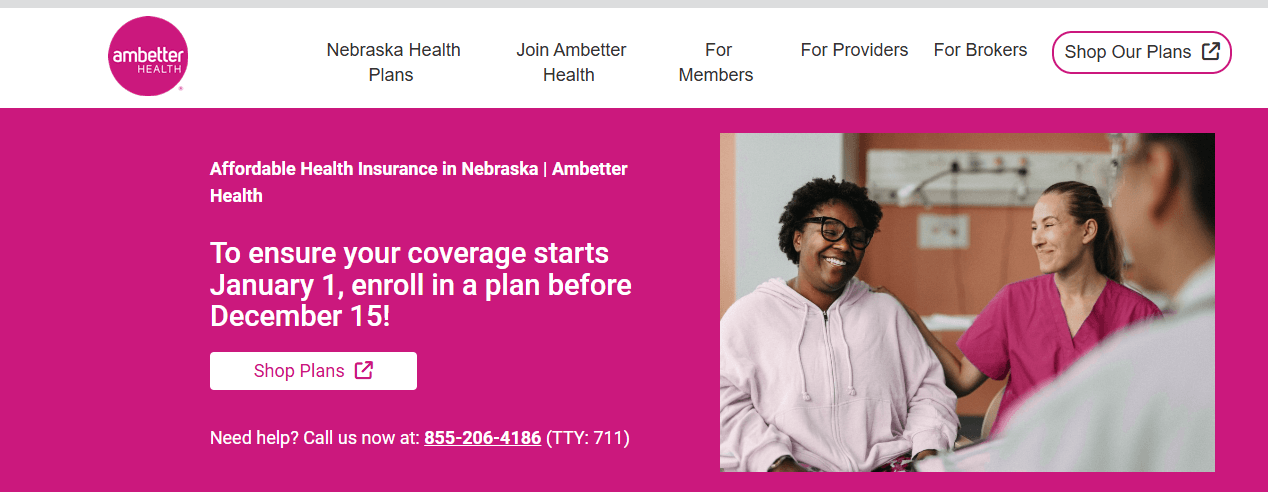
Ambetter from Nebraska Total Care offers individual and family medical insurance through the Nebraska Health Insurance Marketplace. Celtic Insurance Company underwrites the plans, while Centene Corporation supports the program as a national healthcare organization committed to making coverage affordable for residents across the state. The insurer includes all mandatory Affordable Care Act (ACA) benefits, including preventive care, hospital treatment, prescriptions, maternity support, and mental health services. Moreover, members gain access to several wellness programs and convenient care tools that encourage healthier living.

Features

  • Covers all ACA-required essential health benefits
  • My Health Pays® Rewards Program that offers financial rewards for completing healthy activities such as wellness checkups, healthy eating habits, physical activity, and preventive screenings
  • 24/7 telehealth services for non-emergency medical consultations
  • Extensive pharmacy support with in-network retail options and mail-order delivery

Pros

  • Broad essential health benefit coverage
  • Wellness rewards and member perks
  • Quick and convenient online enrollment platform

Cons

  • Marketplace-only availability, which may restrict choices for businesses looking for employer group plans

Why Choose Ambetter
Many individuals and families pick Ambetter because the plans provide full ACA benefit coverage at competitive marketplace prices. Furthermore, the My Health Pays® incentives encourage members to stay proactive about their health while also helping them save money on future expenses.

8. Nebraska Farm Bureau Health Plans

Nebraska Farm Bureau Health Plans (NEFBHP) offer health coverage exclusively to members of the Nebraska Farm Bureau (NEFB). The plans emerged to give individuals, families, and self-employed small business owners an option that often costs less than Affordable Care Act (ACA) marketplace coverage. Since these plans use medical underwriting instead of the ACA’s standardized rules, they can set individualized rates. This approach often leads to lower premiums for people who qualify, and many members appreciate the flexibility it creates. Moreover, applicants can join at any time during the year, which gives them more control over when they secure coverage.

Features

  • Nationwide provider network
  • Multiple plan options for different needs
  • Year-round enrollment with no restricted sign-up window
  • No mandatory annual renewal period

Pros

  • Lower premiums for many eligible applicants
  • Wide access to providers across the country
  • Several coverage levels that support different budgets

Cons

  • Plans do not satisfy ACA minimum essential coverage requirements
  • Members cannot receive ACA marketplace subsidies
  • Applicants may face denial due to medical underwriting

Why Choose NEFB Health Plans
Many Nebraska residents, including farmers, ranchers, and self-employed workers, often find NEFBHP a more affordable alternative to ACA marketplace plans. Additionally, people who do not qualify for subsidies frequently see significant savings, which makes these plans an attractive option for those who face high marketplace premiums.

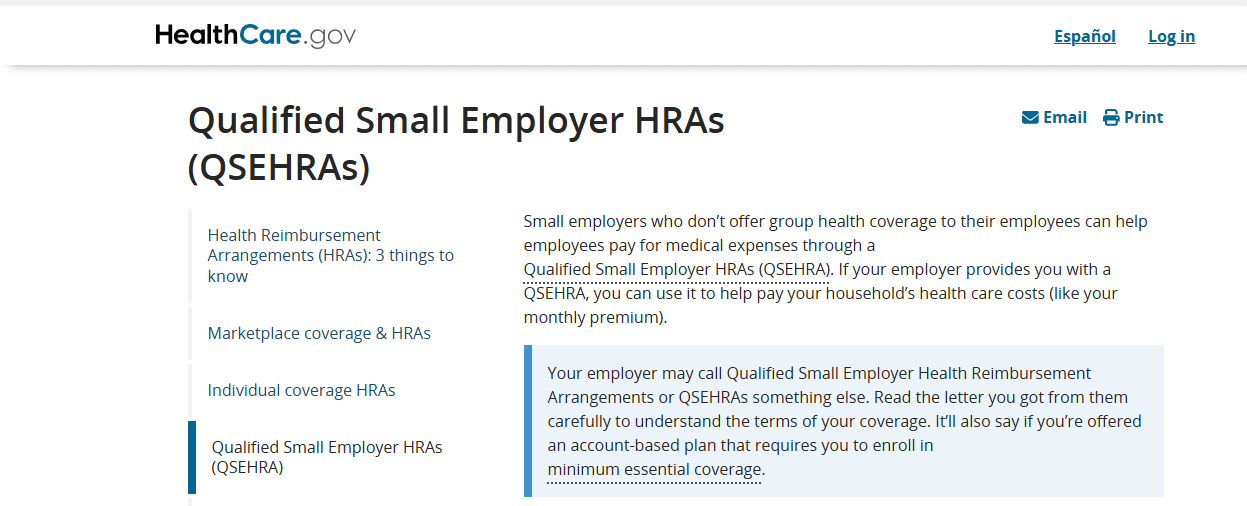
9. QSEHRA

A QSEHRA gives small employers with fewer than 50 workers a way to reimburse employees for individual health insurance and qualified medical expenses without taxing those payments. Employees must hold minimum essential coverage, including Marketplace plans, to receive reimbursements. In many states, this option also opens the door to more plan choices for workers while freeing employers from the burden of running a traditional group health plan. Moreover, it supports small businesses that want to offer meaningful health benefits but cannot take on the cost or complexity of a group policy.

Features

  • Limited to employers with fewer than 50 full-time equivalent employees
  • Tax-free reimbursements for employees and tax advantages for employers
  • No minimum contribution requirement; employers decide the allowance within federal limits
  • Straightforward administration, where employees submit receipts for reimbursement

Pros

  • Easy to set up and operate
  • Employers reimburse only when expenses arise, so no pre-funding is needed
  • No minimum spending commitments
  • Unused allowances remain with the employer
  • Can work with Health Savings Accounts in certain situations

Cons

  • Not compatible with any group health plan, including dental or vision
  • Annual caps may fall short of covering an employee’s full premium

Why Choose QSEHRA
QSEHRA suits very small companies that want to offer real health benefits but cannot manage the cost or logistics of group insurance. It helps employers stay in control of their budget, yet still gives employees valuable support that can strengthen satisfaction and improve retention.

10. Oscar Health

Oscar Health provides medical coverage for small groups, individuals, and Medicare Advantage enrollees. Small business plans, designed for companies with 1–50 employees, combine technology, member engagement, and personalized support to help employees access care efficiently. Oscar emphasizes clear communication and easy-to-use tools that assist members in navigating the healthcare system.

Features

  • Tech-Enabled, Member-Centered Experience: Oscar equips members with digital tools to manage healthcare appointments, track claims, and receive personalized guidance. These features aim to make insurance simple and understandable.
  • Virtual Care and Telehealth: Many small business plans include virtual urgent care and telehealth options. Employees can consult healthcare providers online, which saves time and increases convenience.
  • Partnerships with National Networks: In several states, Oscar collaborates with Cigna to combine its digital tools with larger provider networks. Members gain access to a wide selection of local and national providers.
  • No Referral Requirements: Employees can see in-network specialists without needing referrals, reducing administrative hurdles.

Pros

  • Focus on technology and member engagement that improves the overall experience
  • Access to virtual care and telehealth services for faster consultations
  • Expanded provider networks through partnerships with established insurers like Cigna
  • Flexible plans that help employers manage healthcare costs while meeting employee needs

Cons

  • Limited availability in certain regions may prevent some businesses from enrolling
  • Network size varies by market; standalone Oscar networks can offer fewer provider options than traditional insurers

Why Choose Oscar Health
Oscar Health addresses modern healthcare needs by combining digital tools with personalized support. Employers and employees benefit from wider provider access through partnerships while maintaining a user-friendly experience. Members receive guidance and resources that simplify care management, helping them make informed healthcare decisions.

11. SHOP Marketplace Plans

The Small Business Health Options Program (SHOP) is the ACA’s online marketplace where small business owners can provide health insurance to their employees. The platform gives employers access to group health and dental plans designed for businesses with 1–50 full-time equivalent (FTE) employees. Employers can explore plan options, manage contributions, and enroll their staff digitally, all in one place. Additionally, SHOP helps small businesses take advantage of the small business healthcare tax credit while offering employees plan choices.

Features

  • Eligibility: Open to businesses with 1–50 full-time equivalent employees
  • Employee choice: Employees can compare and select from multiple insurance plans
  • Employer contribution control: Employers decide the percentage or dollar amount they will contribute
  • Online enrollment: Complete plan selection and management through the digital platform

Pros

  • Provides access to the small business healthcare tax credit
  • Gives employees the freedom to choose among several plans
  • Simplifies the enrollment and management process
  • Ensures coverage meets ACA requirements

Cons

  • Plan availability depends on location
  • Offers fewer plan options compared to options outside SHOP

Why Choose SHOP
Small businesses benefit from SHOP when they want to provide ACA-compliant coverage while giving employees multiple plan options. Businesses with fewer than 25 employees earning average wages may qualify for substantial tax credits. Employers gain an organized system to manage contributions and enroll employees efficiently.

12. Mutual of Omaha

Mutual of Omaha provides employer-based insurance and benefits solutions that help small businesses offer meaningful protection to their teams. The company does not position these products as traditional group medical insurance. Instead, it focuses on supplemental group benefits that employers can add to their existing health coverage. These offerings suit very small employers—usually those with 2–9 workers—who want affordable benefit options that still support employee well-being.

Features

  • Multiple Group Benefit Products: The company supplies several types of supplemental group coverage that support, enhance, or fill gaps in an employer’s main health plan.
  • Small Business-Oriented Structure: Mutual of Omaha builds these products to fit the realities of tiny teams, and employers can manage them with minimal complexity.

Pros

  • Wide variety of ancillary coverage options
  • Designed specifically for very small businesses

Cons

  • Not a provider of core group medical insurance
  • Employers may still need to secure a primary health plan from another insurer

Why Choose Mutual of Omaha
Businesses that already carry a main medical plan often choose Mutual of Omaha to strengthen their benefits package. The supplemental options such as accident, disability, and critical illness coverage help employers offer more complete protection, and they also give workers added financial security.

13. Nebraska Total Care

Nebraska Total Care is a health insurance provider in Omaha, Nebraska that focuses on Medicaid and Medicare Advantage plans. It supports individuals and families who qualify for Medicaid while working to improve member health through coordinated care and community-based resources. The company offers services that address mental health needs, substance use concerns, and chronic conditions. Moreover, it commits to promoting health equity so members receive the care and support they need.

Features

  • Medicaid coverage for eligible individuals and families
  • Support services and helpful resources for members
  • Phone assistance and online tools for easier access to information

Pros

  • Offers multiple coverage options that support different healthcare needs

Cons

  • Marketplace plans may feel restrictive when compared with traditional employer-sponsored coverage
  • Ambetter Marketplace options might not provide the same provider flexibility as employer group plans

Why Choose Nebraska Total Care
Nebraska Total Care is ideal for individuals who qualify for Medicaid in Nebraska and prefer managed care with local coordination and member benefits. It also appeals to those seeking individual Marketplace coverage that includes essential health benefits and encourages preventive care. Members benefit from digital tools that simplify enrollment and access to resources, along with 24/7 virtual care and wellness incentives that make it easier to receive timely care.

Conclusion

In Nebraska’s competitive small business market, offering quality health insurance helps employers attract and retain top talent, support employee well‑being, and manage long-term expenses. All employer-sponsored plans in the state meet the Affordable Care Act’s essential health benefit requirements, covering preventive care, hospital services, mental health support, and prescription medications. This framework ensures that small business owners can choose plans with confidence, while also adjusting networks, benefits, and costs to fit their specific needs.

The 13 medical insurance options highlighted above include traditional group health plans, marketplace solutions, and alternative approaches that respond to the changing demands of Nebraska’s small business community in 2025. When selecting a plan, employers must weigh employee needs, budget limits, network access, and ease of administration. Additionally, whether a company picks a well-known carrier or explores newer marketplace solutions, Nebraska’s medical insurance offerings in 2025 allow businesses to comply with regulations while providing benefits that truly support their employees.

Leave a Comment

Your email address will not be published.

Job alerts

Subscribe to our weekly job alerts below and never miss the latest jobs

Sign in

Sign Up

Forgotten Password

Job Quick Search

Cart

Cart

Share