

As more businesses move online, keeping customer data safe is no longer optional. That’s why SOC 2 matters. It helps prove that a company handles data the right way and protects it through verified, third-party checks. A SOC 2 report shows customers, partners, and investors that your security systems actually work, not just on paper. Still, once someone asks for your SOC 2 report, the pressure can be overwhelming. At that point, the SOC 2 compliance vendors you choose can either help you close deals faster or slow everything down. While the right one saves time and stress, the wrong one can cost you money and leave you rushing when audit deadlines arrive.
This guide helps you make the right choices.. Below, you’ll find a detailed, side-by-side comparison of the 10 best SOC 2 compliance vendors in 2026, including verified pricing data, strengths, limitations, and who each platform actually suits.
What Is It, and Why Does the SOC 2 Compliance Vendor Choice Matter?
SOC 2 focuses on cloud-based companies that store or handle customer data, and it checks them against five Trust Services Criteria: Security, Availability, Processing Integrity, Confidentiality, and Privacy. While Security is required, the other four depend on what a company includes in its scope.
SOC 2 also comes in two forms. A SOC 2 Type I report shows whether the correct controls exist at a specific point in time. A SOC 2 Type II report proves that those controls worked over several months, typically six to twelve. Because of this, most enterprise buyers demand Type II and that makes the role of SOC 2 compliance vendors even more important.
The SOC 2 compliance vendors you choose determine how much work your team must do, how fast you get certified, and how smoothly audits run. They also affect long-term cost, because SOC 2 must be renewed every year. In short, the quality of your SOC 2 compliance vendors shapes your security reputation, sales velocity, and operational workload.
Top 10 Best SOC 2 Compliance Vendors Compared
1. Vanta

Vanta focuses on helping companies pass their first audit fast. It uses AI and automation to handle evidence collection, security reviews, and vendor risk checks, so teams spend less time chasing paperwork and more time fixing gaps. In addition, the platform supports more than 35 compliance frameworks, which gives companies flexibility as they grow.
It runs over 1,200 automated checks that watch controls in real time, so teams can see their security status whenever they need. Moreover, the platform helps teams track risks from vendors, publish their compliance status through a Trust Center, and oversee user access and staff training from one place. Therefore, every team stays aligned with security goals without constant manual follow-up.
Features
- Automated evidence collection: Vanta connects to tools like AWS, GitHub, and Okta, pulling about 85% of audit evidence automatically.
- Continuous control testing: If someone disables MFA or changes a key setting, Vanta alerts you instantly.
- Policy library: Over 200 ready-to-use templates help companies create audit-ready policies fast.
Pros
- Simple and clear interface
- Cuts audit preparation time by about 70%
- Over 100 dependable integrations
- Support team replies quickly
- Frequent platform improvements
Cons
- Costs more than entry-level tools
- Sometimes reports issues that turn out not to be real problems
Pricing
- Startup: $12k–$15k per year
- Growth: $18k–$24k per year
- Enterprise: Custom plans
What Users Say
Users often highlight how much time Vanta saves through automated evidence collection. Many founders say they reduced audit preparation by 70–80%, and the links with AWS and GitHub get especially strong feedback. Among SOC 2 compliance vendors, Vanta is often described as replacing the work of a full-time compliance hire.
However, smaller companies point out that the price can feel high, particularly with long contracts. Also, while enterprise users get strong support, others mention uneven help and a learning curve during setup.
Vanta vs Others
Vanta leads this space for clear reasons. It targets engineers first, and that focus shows in how the product works.
- Fast setup with useful results in about 2–4 weeks
- High automation, with roughly 85–90% of evidence handled automatically
- Customer success managers included for every account
- More than 100 integrations, covering most common tools
Best for: early-stage and growing SaaS teams going through SOC 2 for the first time, especially those running on AWS or GCP.
2. Drata
Drata connects directly to your cloud systems and then checks whether controls actually work in real time. It does more than keep records; instead, it confirms that each control behaves the way teams expect. In addition, engineering teams that use APIs and developer tools can get set up quickly. Meanwhile, the Audit Hub keeps auditors and internal teams aligned without long email threads.
Furthermore, Drata supports over 20 compliance frameworks, including SOC 2, ISO 27001, HIPAA, GDPR, PCI DSS, CCPA, NIST CSF, and CMMC. It also lets companies build custom frameworks, which helps teams meet internal or industry rules that do not fit standard templates.
Features
- Collects most audit evidence automatically through Autopilot, therefore reducing manual uploads
- Shows a Compliance Roadmap that orders fixes by audit impact, so teams know what to handle first
- Tracks access reviews across PLM and ERP systems, which creates a clear record of who viewed or changed sensitive data
- Stores audit logs in a tamper-resistant format, thereby protecting review history
Pros
- Handles both technical and non-technical compliance checks
- Connects with third-party evidence tools, so teams can pull data from existing systems
- Responds quickly through customer support, which helps teams stay on schedule
- Tests controls automatically, which lowers the risk of missed gaps
- Includes a Trust Portal, so security questionnaires move faster
Cons
- New users to SOC may need extra time to learn the platform
- The policy editor offers limited formatting, so documents can feel rigid
Pricing
- Essential: $7,500 per year
- Foundational: $15,000 per year
- Advanced: Custom pricing
What Users Say
Technical teams often praise Drata’s automation. In addition, many reviewers point to the Audit Hub as the feature that keeps auditors and internal staff working in sync. Users also note that the platform feels designed with audit workflows in mind.
However, non-technical teams sometimes find it harder to use. Several reviewers explain that teams without in-house security skills may not unlock its full value. Also, customization can feel limited when internal processes differ from how the platform works.
Drata vs Others
Drata checks whether controls actually operate inside live cloud systems rather than only tracking documents. In contrast, many other tools focus mainly on paperwork. In addition, its Audit Hub keeps engineers and auditors in one shared workspace, which reduces back-and-forth during audits.
Best for: fast-growing startups, mid-market firms, and large organizations that want continuous compliance plus built-in GRC, a modern Trust Center, and vendor risk management.
3. Secureframe
Secureframe supports more than 25 compliance frameworks, including SOC 2, ISO 27001, HIPAA, PCI DSS, GDPR, CCPA, and FedRAMP readiness. It acts as a SOC 2 compliance automation platform that helps teams handle audits with far less stress. Over 600 companies have used it to achieve SOC 2 certification up to 85% faster, and this happens through automation paired with organized workflows. Meanwhile, it suits teams that want compliance done properly without dragging the process out for months.
Features
- 70+ integrations that automatically collect evidence from cloud, HR, and development tools
- AI-powered policy generator that creates company policies within minutes
- Task management system that assigns and tracks compliance work across teams
- Vendor management tools that handle third-party risk reviews
- Evidence vault that stores and organizes all compliance documents.
Pros
- Easy, step-by-step onboarding that helps beginners move forward with confidence
- Helpful customer support with hands-on assistance
- Over 150 integrations with major cloud and infrastructure platforms
- AI-based risk insights and remediation guidance
- Built-in employee training modules
Cons
- Can feel restrictive for large organizations with advanced governance needs
- Audit fees come separately
Pricing
Starts at $7,500 per year
What Users Say
Users often praise Secreframe for its supportive onboarding and responsive customer team. Many first-time compliance owners say the platform makes a complex process feel more manageable and less intimidating. However, some enterprise users note that the tool does not always meet deeper, large-scale compliance requirements. Additionally, a few reviews mention small sync or integration issues, yet they do not point to serious reliability problems.
Secureframe vs Others
Secureframe covers more compliance frameworks than many competitors, yet it works best for companies that plan to go through one or two audits per year. It also connects with over 300 cloud and HR tools, so setup stays quick and straightforward. In addition, its Auditor Partner Console improves collaboration with auditors through clear task lists and shared dashboards, which then keeps everyone aligned throughout the audit process.
4. Thoropass
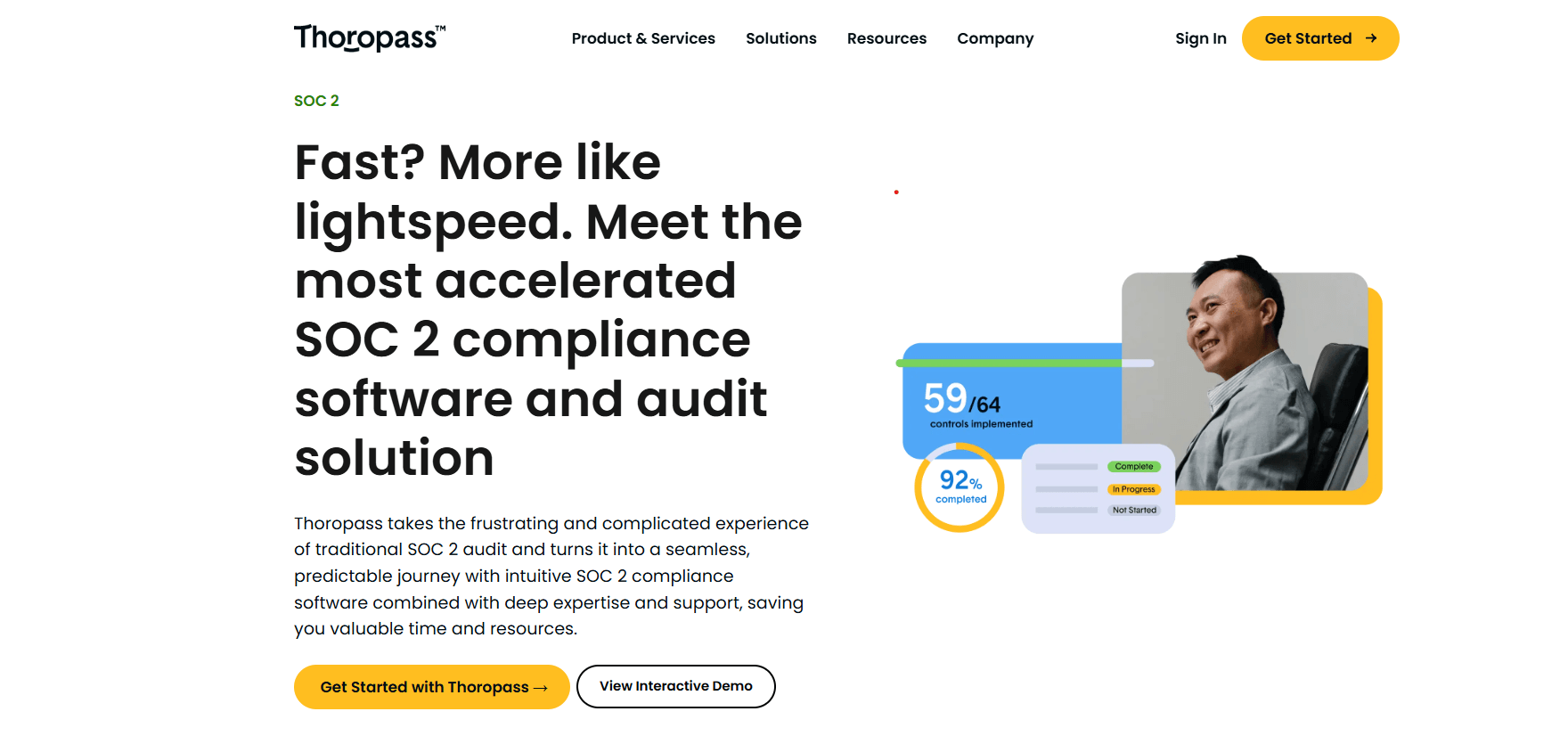
Thoropass, formerly known as Thoropass, combines compliance software and audit services under one roof. Instead of asking companies to find and manage a separate CPA firm, Thoropass assigns in-house auditors directly within the platform. Consequently, teams handle automation, continuous monitoring, and the audit itself in one place.
The company supports 19 frameworks, including SOC 2, ISO 27001, HIPAA, GDPR, CCPA, PCI DSS, and HITRUST. In addition, its AI-powered evidence review checks submissions before auditors see them. The built-in Risk Register also helps teams track findings and address issues early rather than waiting until the audit stage.
Features
- Connected audit model with in-platform auditors and First Pass AI
- Automated evidence collection, task assignments, and reminders
- Coverage for SOC 2, ISO 27001, HIPAA, PCI DSS, HITRUST, GDPR, and other frameworks
- Risk register, vendor tracking, and access reviews for ongoing oversight
- Optional security testing, including penetration tests with 90-day free retesting
- Integrations with over 100 tools such as AWS, Okta, and GitHub
Pros
- Clear dashboard with organized tasks
- Direct access to compliance advisors for guidance
- Combines compliance management and audit services in one platform, which reduces back-and-forth
Cons
- Pricing details are not fully transparent and may cost more than automation-only platforms
- Some integrations require manual configuration
- Advanced analytics and reporting tools are still developing compared to larger GRC systems
Pricing
- Compliance Platform Subscription: Starts at $8,700 per year and includes the first framework
- SOC 2 Audit Subscription: Starts at $5,800 per year
What Users Say
Users often highlight the platform’s clean interface and helpful support team. Many say the system simplifies compliance tasks and provides clear instructions, which makes SOC 2 preparation easier. However, some first-time users mention that the initial setup feels complex, especially without prior compliance experience.
Thoropass vs Others
Thoropass connects with more than 90 commonly used systems, which typically covers most startup and SMB tech stacks. Furthermore, its AI assists with automated evidence collection, validation checks, access reviews, and security questionnaires.
Notably, Thoropass stands out for its detailed audit trail. The platform records each evidence submission and auditor interaction, which strengthens accountability and improves transparency throughout the audit process.
5. Sprinto
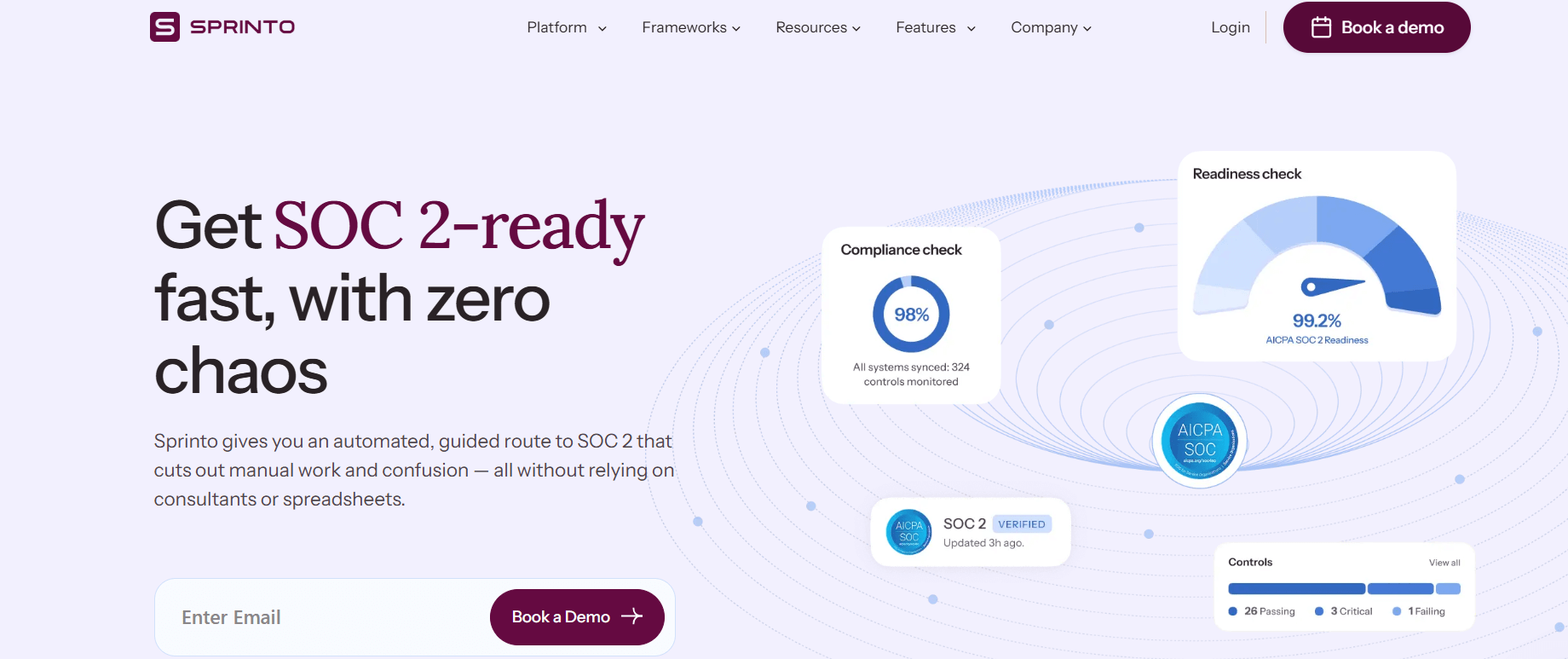
Sprinto has built a solid position among cloud-native startups that want automation-focused compliance without paying enterprise-level fees. Instead of handing teams a static checklist, the platform takes action inside your environment. Its Adaptive Automation layer continuously monitors systems and alerts the exact team member who needs to fix an issue. So, lean teams stay focused on building, while the system keeps watch over compliance tasks.
Sprinto supports major frameworks such as SOC 2, ISO 27001, HIPAA, GDPR, and PCI DSS. It also connects with more than 200 native integrations across cloud providers, identity tools, HR systems, and developer platforms. Most organizations complete implementation within 2–4 weeks, making it one of the faster-moving SOC 2 compliance vendors in this space.
Features
- Clear starting point: Sprinto highlights which controls are complete and which need attention, so teams move forward with clarity instead of uncertainty.
- Automatic evidence collection: Data is pulled directly from connected systems, eliminating the need for screenshots and manual file storage.
- Low team lift: A single team member can manage the process, with others stepping in only when necessary for reviews or approvals.
- Support for complex audits: The platform supports multiple Trust Services Criteria (TSCs) and structured audit workflows, enabling companies to expand scope without rebuilding processes.
Pros
- Competitive entry pricing compared to other SOC 2 Compliance Vendors
- Adaptive automation that proactively assigns remediation tasks
- No implementation fees
- Responsive customer support with guided onboarding
- Accelerated path to audit readiness
Cons
- Fewer integrations than competitors like Vanta or Drata
- Governance, risk, and compliance depth is still evolving compared to larger platforms.
Pricing
A SOC 2 Type 1 audit typically starts at $5,000 for up to three Trust Services Criteria (TSCs). Costs may increase to $25,000 when the audit scope exceeds three TSCs. As with many SOC 2 Compliance Vendors, final pricing depends on scope, complexity, and auditor selection.
What Users Say
Users frequently mention Sprinto’s hands-off experience and its automatic assignment of tasks to the right stakeholders. Additionally, reviewers who transitioned from Vanta or Drata often cite clearer pricing and quicker support responses as reasons for switching.
Sprinto vs. Others
Sprinto competes closely with Drata in automation capabilities. However, it offers broader integration coverage and greater flexibility in defining compliance zones. Pricing for smaller environments typically ranges between $4,000 and $5,000, which appeals to early-stage SaaS teams evaluating SOC 2 Compliance Vendors carefully.
The platform also provides access to pre-vetted auditors, reducing coordination overhead. For startups pursuing SOC 2 certification with limited resources, this operational efficiency can be a meaningful advantage.
6. Scrut Automation

Scrut’s SOC 2 compliance platform simplifies compliance and security management while keeping growth on track. Teams can identify, assess, and address risks proactively through its complete risk management workflow. It also keeps vendor risk management, policy enforcement, and audit readiness centralized and accessible at all times, allowing organizations to maintain compliance without slowing operations.
Features
- Collect evidence automatically for over 80% of requirements
- Access 100+ pre-built policies with options for customization
- Manage all SOC 2 compliance tasks from a single platform
- Monitor activities continuously and gain real-time insights
- Receive expert guidance and support whenever needed
- Support multiple compliance frameworks beyond SOC 2.
Pros
- Includes all modules with no extra fees
- Offers extensive framework coverage through an intuitive interface
- Provides dedicated dashboards for each compliance area
Cons
- Initial setup can feel complex due to the wide range of features
- Offers fewer third-party integrations compared to leading competitors
Pricing
Scrut uses custom pricing based on company size and compliance needs. Contact their team for a quote.
What Users Say
Users consistently rate Scrut highly for satisfaction. They praise fast setup, easy-to-understand dashboards, and no hidden costs for core features. Some small teams find onboarding challenging because of the platform’s depth. In highly regulated industries like finance, enterprise users note that a few features may not match the maturity of larger solutions.
Scrut vs Others
Scrut delivers broad out-of-the-box framework support, which suits multinational companies and teams handling multiple compliance regimes. Its built-in mappings and preloaded templates for various global standards allow organizations to manage several certifications at once without rebuilding processes. For teams navigating complex compliance requirements, Scrut provides the depth and flexibility necessary for expansion.
7. Strike Graph
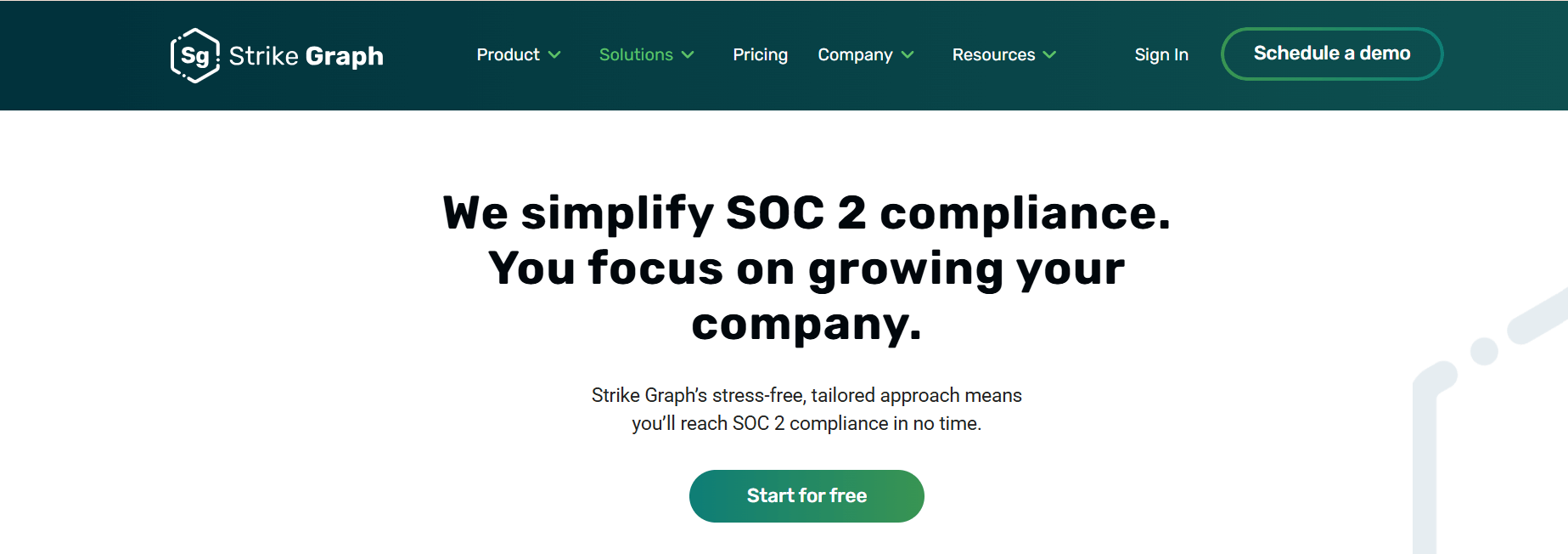
Strike Graph is a compliance automation platform that gives companies the flexibility to build a security program based on their unique risk profile instead of following a fixed template. Its AI assistant, guides teams through creating policies, collecting evidence, and managing risks, requiring minimal prior expertise. The platform monitors compliance continuously, highlights gaps, reduces risk exposure, and supports audits without needing a dedicated compliance team. Teams can collaborate easily, keep documentation current, and track progress in real time.
Features
- AI Security Assistant – Guides teams in writing policies, gathering evidence, and managing risks efficiently.
- Audits and Certifications – Supports compliance checks, SOC 2 preparation, and certification tracking.
- Customizations – Allows adjustments to match your company’s specific compliance needs.
- Dashboards and Reporting – Visualizes compliance status, progress, and policy updates for easier management.
- Pen Testing: Integrates vulnerability assessments to identify security gaps.
Pros
- Helps teams prepare for SOC 2 Type II audits more quickly.
- Provides an interface that simplifies compliance management and collaboration.
- Offers responsive support during implementation.
- Supplies resources and templates for policy and evidence documentation.
- Combines consulting support with auditing services when needed.
Cons
- Teams may need external tools for collaboration with auditors.
- Multiple evidence items require manual re-upload of updated documents.
- Dashboard drilldowns can feel less intuitive.
Pricing
- Starting: $9,000/year
- Certify: $18,000/year
- Scale: $27,000/year
What Users Say
Strike Graph holds a 4.7/5 rating on G2. Reviewers highlight its ability to simplify SOC 2 and other complex compliance processes, making them faster and more transparent. Users value AI-assisted evidence tracking, automated reminders, and multi-framework mapping, which reduces manual work. Support is consistently praised as helpful and responsive. Some users mention a learning curve and wish for more integrations or flexible workflows.
Strike Graph vs Others
Strike Graph provides a full suite of tools for audit preparation and documentation, including the SSP builder, POA&M tracking, and exportable workbooks. Additionally, teams can choose optional audit services within the platform to manage the entire compliance cycle in a single system.
8. Scytale
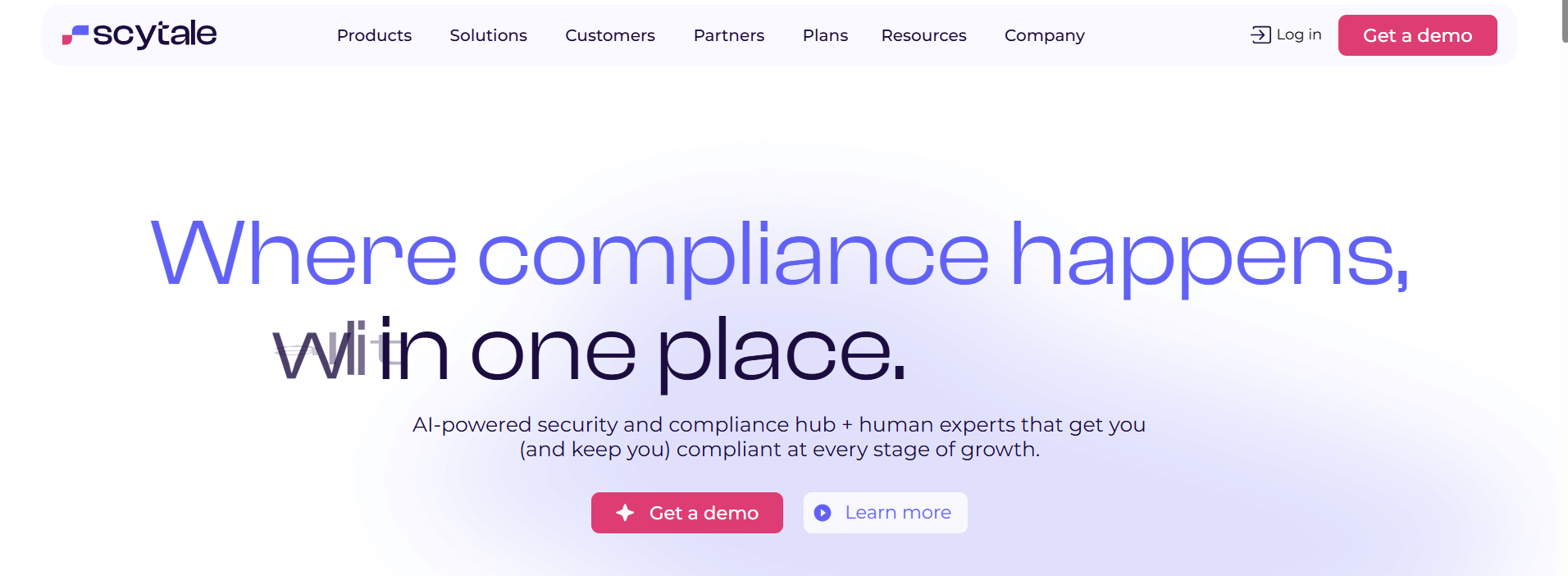
Scytale reviews your evidence, highlights risks, and guides your team toward ongoing audit readiness across more than 40 security and privacy frameworks. In addition, it brings all GRC workflows into one place so teams can manage compliance without juggling multiple tools. The platform collects evidence automatically, monitors controls in real time, manages vendor risk, and conducts user access reviews. Therefore, you can stay compliant while spending less time on manual tasks.
Features
- Automated evidence collection that pulls required documentation directly from your systems
- Continuous control monitoring to help you detect and fix gaps quickly
- User access reviews to confirm the right people have the right permissions
- Vendor risk management to assess and track third-party security
- Multi-framework cross-mapping so you can work across several standards at once
Pros
- Combines automation with hands-on expert support
- Supports ongoing SOC 2 compliance, not just one-time audits
- Shows clear audit progress so teams know what to tackle next
- Fits well with growing SaaS companies
Cons
- Does not operate as a CPA audit firm
- May not suit highly regulated enterprise environments
Pricing
Scytale does not list pricing details on its website. Instead, you need to contact the company directly to request a quote.
What Users Say
Users often praise the platform’s AI guidance and its support for multiple compliance frameworks. In particular, many say that Scy makes evidence review easier and identifies compliance gaps early. However, some reviewers mention that they still verify certain AI suggestions before taking action.
Scytale vs. Others
On G2, Scytale stands out as a leading option in the compliance space. Customers frequently mention that it reduces manual effort and makes compliance tasks easier to manage. Furthermore, integrations with commonly used tools help teams gather evidence efficiently, while continuous monitoring allows them to catch and resolve issues before they escalate.
9. AuditBoard
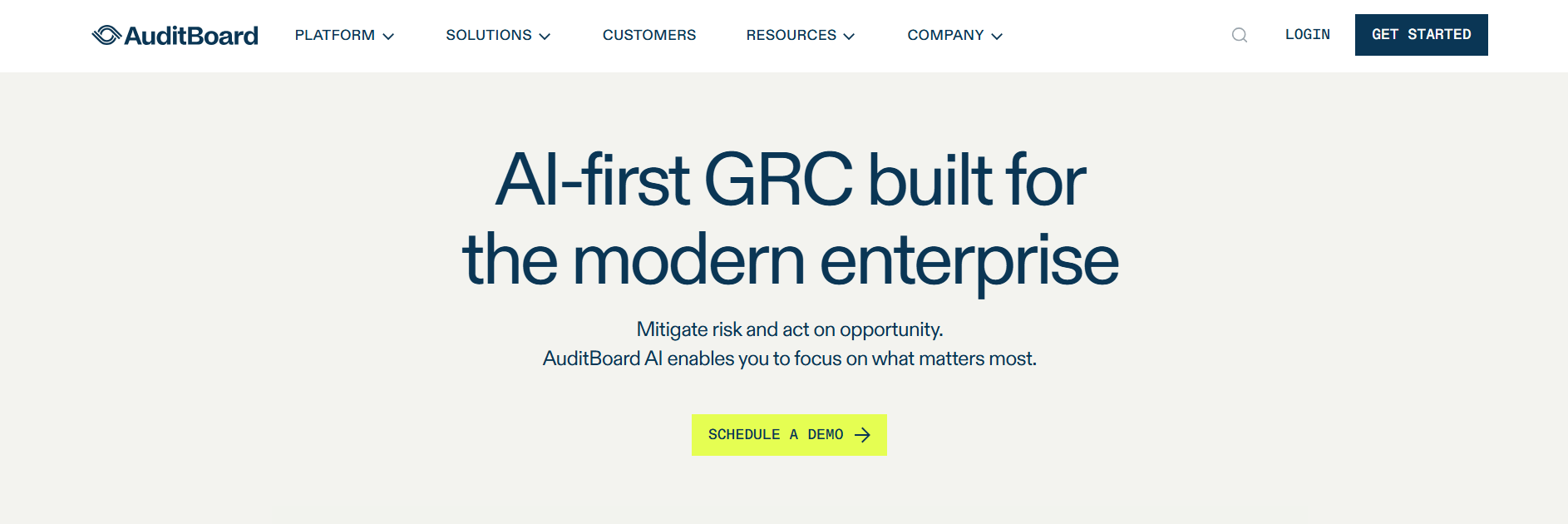
AuditBoard is a cloud-based audit and compliance platform that helps enterprises manage risk, conduct audits, and keep up with regulations. It supports organizations that treat SOC 2 as part of a wider governance, risk, and compliance strategy. Instead of focusing only on audit tasks, the platform brings SOC 2, risk management, internal controls, and regulatory oversight together in one system. This approach gives teams clearer visibility. In addition, it supports long-term compliance growth as companies expand.
Features
- Connected Risk Platform – Links SOC 2 with risk and control activities so teams can view everything in context
- Centralized Evidence Management – Stores audit documentation in one place, which improves accuracy and reduces confusion
- Real-Time Dashboards – Displays live compliance data so leaders can make informed decisions quickly
- Workflow Automation – Speeds up reviews, approvals, and testing while reducing repetitive manual work
- Enterprise Integrations – Connects with major IT and security tools to keep information aligned across systems
Pros
- Teams can share data and reports instantly, which improves collaboration across departments
- The interface feels clean and simple, so users can navigate it without extensive training
- Built-in analytics highlight patterns and risks, which reduces the time spent reviewing data manually
Cons
- Initial setup can take time, especially when connecting multiple business units
- The system may slow down when handling large files or editing complex documents
Pricing
- AuditBoard does not list detailed pricing on its website
- Estimated starting cost typically falls between $30,000 and $50,000 per year for entry-level modules
What Users Say
Many reviewers describe the interface and dashboards as intuitive and easy to understand. Therefore, teams can manage audits, SOX controls, and risk assessments from a single location. Users also mention that the platform reduces manual tasks and improves visibility across audit processes. In turn, this helps organizations track progress more confidently.
AuditBoard vs. Others
AuditBoard stands out as a strong governance, risk, and compliance tool. It helps companies identify risks, rank them based on impact, and take corrective action before issues escalate. Moreover, it supports compliance checks and gap remediation in the same environment. The platform also produces detailed reports and dashboards, uses automation and AI features, and offers a user-friendly interface. Consequently, organizations can rely on clear insights to shape internal policies and support broader business objectives.
10. Hyperproof
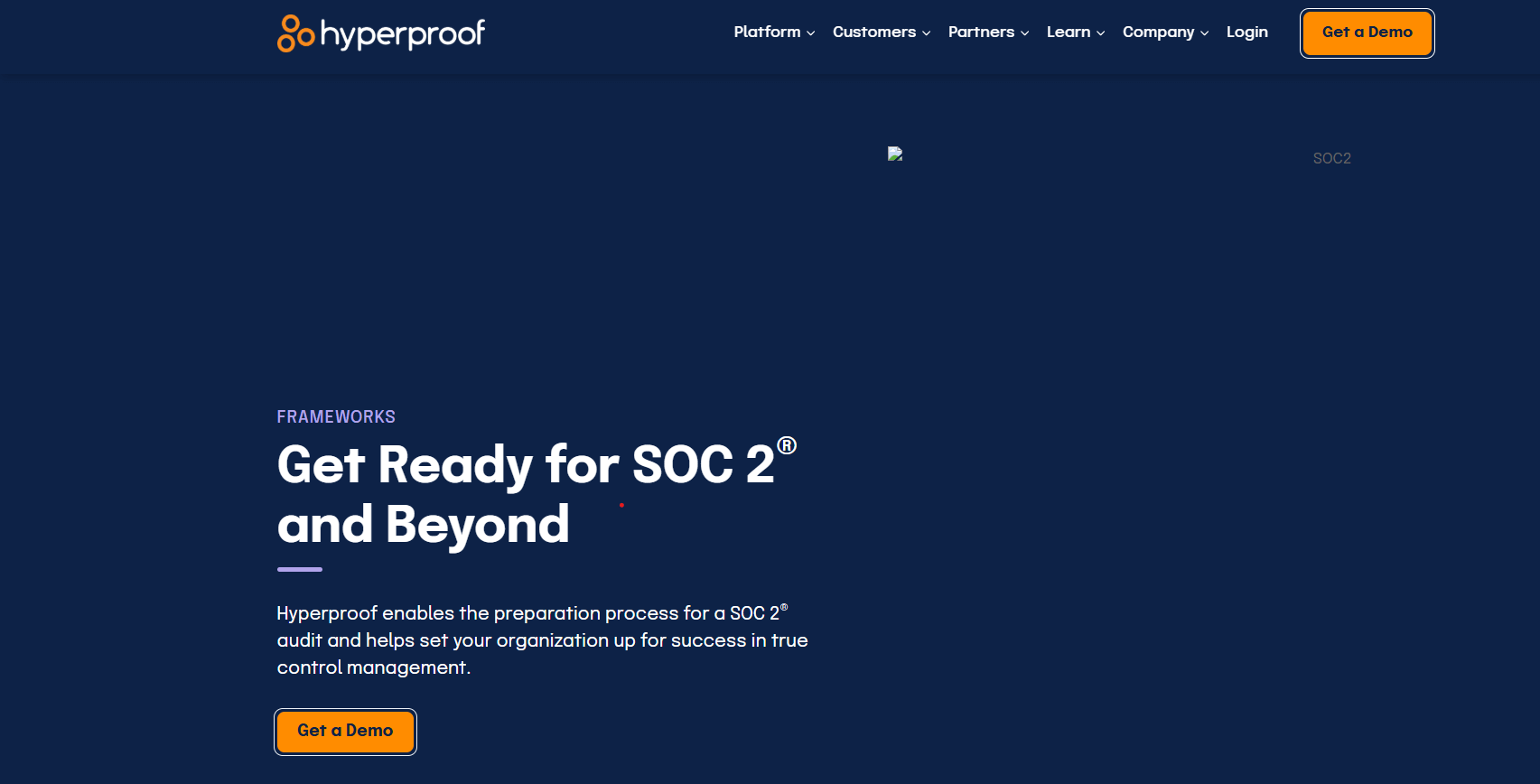
Hyperproof brings compliance management and risk management into one platform. It positions itself as an AI-powered GRC system that keeps audit evidence in a central location and manages controls in an organized way. Instead of handling audits and risks in separate tools, teams work from a single environment. Consequently, organizations that oversee multiple frameworks or business units can keep everything connected and visible.
Features
- Integrated risk management tools that connect risks directly to controls
- Workflow automation and task tracking to keep responsibilities clear
- Detailed reporting and analytics for audit readiness
- Collaboration tools for internal teams and external auditors
- Custom dashboards with visual summaries of compliance status
- Support for multiple compliance frameworks within one system
Pros
- Speeds up audit preparation since the system gathers evidence automatically
- Maps controls accurately across frameworks, which helps teams see overlaps and gaps
- Offers responsive customer support, especially during onboarding and live audits
- Handles complex, multi-entity compliance programs effectively
Cons
- Presents a noticeable learning curve, particularly for new users
- Displays long control lists that can overwhelm first-time users
Pricing
- Does not publish pricing on its website
- Provides custom quotes after a sales discussion
What Users Say
Many users praise the collaboration tools. Teams can assign tasks, monitor ownership, and communicate with auditors inside the same platform. Therefore, coordination feels organized and transparent.
However, several reviewers mention the steep learning curve. Users who lack prior audit or compliance experience often need extra time to understand workflows and system structure.
Hyperproof vs. Others
Hyperproof turns scattered compliance tasks into a repeatable program with clear ownership. Rather than focusing on flashy design, it emphasizes coordination and structure. Consequently, teams that manage several frameworks throughout the year often find it dependable.
The platform combines compliance automation with scheduled evidence collection and AI assistance. Even so, it keeps the interface manageable for newer compliance teams. Complex workflows become defined steps that teams can follow together, which improves visibility and accountability over time.
The best SOC 2 compliance vendor for your organization depends on where you stand today and where you plan to go next. If you run an early-stage st artup, Sprinto or Strike Graph often give you strong value at a lower cost. Meanwhile, teams that want more guidance and a beginner-friendly setup often prefer Secureframe. As companies grow, many choose Vanta for speed and simplicity, while others pick Drata for deeper technical control. If you would rather keep everything in one place, Thoropass makes that decision easier.
No matter which option you pick, start early. Companies that wait until the last minute usually feel the most pressure and face unnecessary delays. In contrast, teams that treat SOC 2 as an ongoing effort stay ahead and move with confidence. So instead of viewing it as a quick requirement to tick off, choose a partner you can work with long term, not just a tool you log into occasionally.